
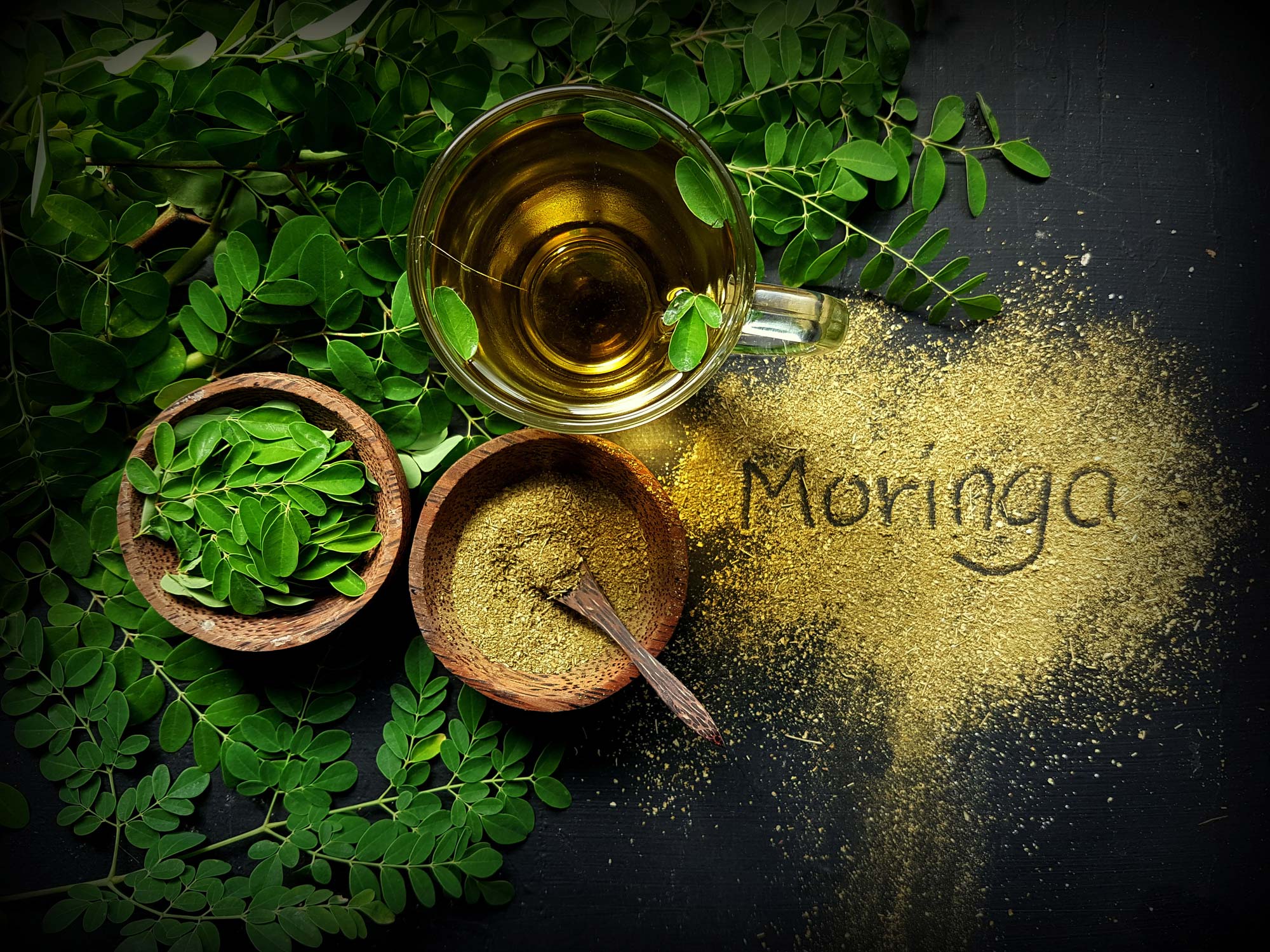
Moringa (Moringa oleifera)—also referred to as the drumstick, horseradish, or ben oil tree—is a medicinal and nutrient-rich plant native to India. It’s also common in other subtropical climates, including Florida. The Moringa tree is sometimes called the “tree of life” for its supposed ability to reduce pain and the risk of heart disease, ulcers, and other chronic health conditions.
Moringa / Drumstick water is a simple overnight infused water, made by steeping the powder or washed raw sticks of drumsticks overnight along with leaves or pods. This water is then boiled and mixed with honey or lime juice for boosting its goodness. Moringa, commonly known as the ‘miracle tree’ is native to regions of Africa and Asia and has been traditionally used for its medicinal properties. The leaves and pods of the moringa tree are rich in vitamins, minerals, antioxidants, and bioactive compounds are packed with nutrients.
Drumstick water is a powerhouse of essential nutrients such as vitamins A, C, E, and several B vitamins. Vitamin A is crucial for vision and immune function, while vitamin C acts as an antioxidant and supports immune health.

Minerals: Contains significant amounts of calcium, potassium, iron, magnesium, phosphorus, and zinc. These minerals are essential for bone health, muscle function, and overall cellular metabolism.
Antioxidants: Moringa water is packed with antioxidants such as quercetin, chlorogenic acid, and various polyphenols. These compounds help neutralize free radicals, reduce oxidative stress, and protect cells from damage.
Amino Acids: Provides all nine essential amino acids, which are the building blocks of proteins necessary for muscle repair, growth, and overall body function.
Fiber: Contains dietary fiber, which supports digestive health, promotes regular bowel movements, and may aid in weight management by increasing satiety.
Boosts Immunity: The high content of vitamins, minerals, and antioxidants in moringa water helps strengthen the immune system, making it more resilient against infections and diseases.
Digestive Health: The fiber content in moringa water promotes digestive regularity, alleviates constipation, and supports a healthy gut microbiome.
Anti-inflammatory Properties: Compounds like quercetin and chlorogenic acid in moringa possess anti-inflammatory effects, which may help reduce inflammation and support overall health.
Improves Skin and Hair Health: The vitamins and antioxidants in moringa water contribute to healthier skin by promoting collagen production and protecting against oxidative damage. It may also nourish hair follicles and improve hair growth.
Manage Blood Sugar Levels: As per certain studies, it was found that drinking moringa water may have a beneficial effect on blood sugar control, and helps to manage diabetes.
Heart Health : Moringa’s antioxidant and anti-inflammatory properties may help lower cholesterol levels and reduce the risk of heart disease.

Rich in Antioxidants
Helps counteract oxidative stress. Chronic oxidative stress is the imbalance of the amount of antioxidants and free radicals in your cells. It is linked to the development of chronic diseases like cancer, heart disease, and diabetes.
The moringa tree is full of phenolic compounds, which are molecules with anti-inflammatory properties. Flavonoids, phenolics, and carotenoids are phenolic compounds in parts of the moringa tree. Researchers have found phenolic compounds like flavonoids may promote immune health, prevent chronic disease, and fight inflammation.
Prevents Malnutrition
One review found that the moringa plant can help address malnutrition, which occurs when you don’t get enough or too many nutrients or energy. Moringa leaves and seeds contain vitamins, minerals, and fats that help prevent malnutrition. The plant is also rich in vitamin A, C and fiber.
A small study found that moringa leaf powder increased the body mass index (BMI) among people with human immunodeficiency virus (HIV) undergoing antiretroviral therapy. BMI is a biased and outdated metric that uses weight and height to make assumptions about body fat and health. However, these study results suggest that moringa can improve the nutritional intake and status of some people with HIV. More research is needed.
Reduces Blood Sugar
In one small study, people with diabetes who took 20 grams of moringa leaf powder a day found that the supplement had a small effect on their blood sugar control. However, there is not enough research to know for sure how effective moringa is at controlling Blood Sugar.
Relieves Symptoms of Menopause
Moringa may help to relieve menopause symptoms such as hot flashes, night sweats, and anxiety. Menopause happens when menstruation and ovulation stop, which typically happens between the ages of 45-55.
According to a small study, moringa may help decrease the severity of hot flashes because of the plant’s effect on oxidative stress. When there is an imbalance of antioxidants and free radicals in your body, you may experience hot flashes. Oxidative stress can also increase night sweats. The participants saw small improvements in the amount of antioxidants in their bodies, which might be associated with a decrease in the severity of their menopause symptoms.
Anti-Aging Effects
Moringa has been increasing in popularity as a skincare ingredient. According to research, moringa extracts have anti-aging properties for your skin. Creams containing at least 3% extract from moringa leaves help improve your skin’s smoothness.
Studies found that moringa cream also improves skin elasticity. High amounts of vitamins C and E in the moringa plant aid in revitalizing your skin to get that glow you may want. However, more research is needed to know how much of an effect moringa cream may have on your skin over time.
Research suggests that moringa oil may also treat eczema and inflammation on your skin. Most of these benefits are thanks to its abundant antioxidant profile, which reduces inflammation and prevents cellular damage.
Moringa seeds are also used in skin products to help with scarring, acne, and pigmentation. Its vitamins and minerals have anti-aging properties and benefit skin elasticity.
Nutrition
Moringa leaves and pods are commonly eaten in recipes in parts of India and Africa, but the powdered form is more common and each 2-teaspoon serving (4 grams) of moringa powder has the following nutrients such has Fiber: 1 g, or 4% of the daily value (DV), Iron: 4.8 mg, or 25% of the DV and Calcium: 100 mg, or 8% of the DV.


